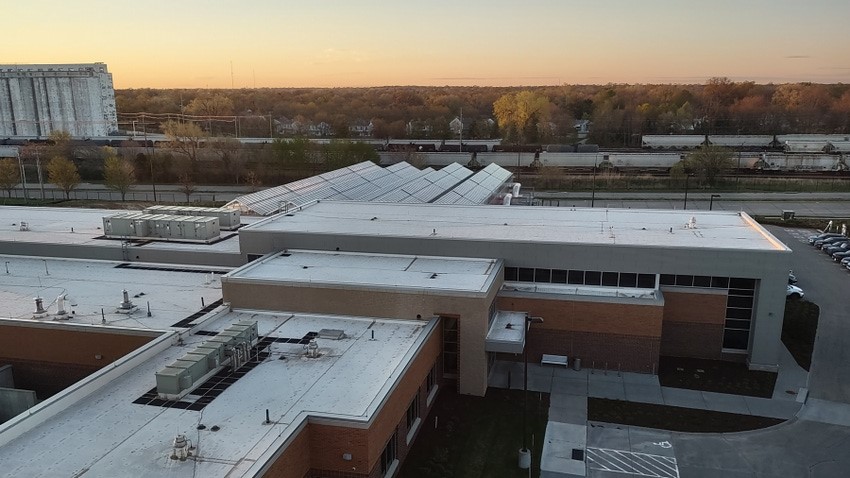
Ground breaking phase one is set for May 6th at the Nebraska Innovation Center in Lincoln NE for the new USDA National Center for Resilient, Regenerative and Precision Agriculture. Learn how our reporting state of Nebraska and it’s farmers continue to lead the way with ag research now on a national scale – https://bit.ly/4dsW44X
Despite higher interest rates, low commodity prices, and scarcity of land on the market in Nebraska, land is still holding its value. Find a highlight of recent sales throughout Nebraska’s counties – Scarcity of land on market props up prices (farmprogress.com)
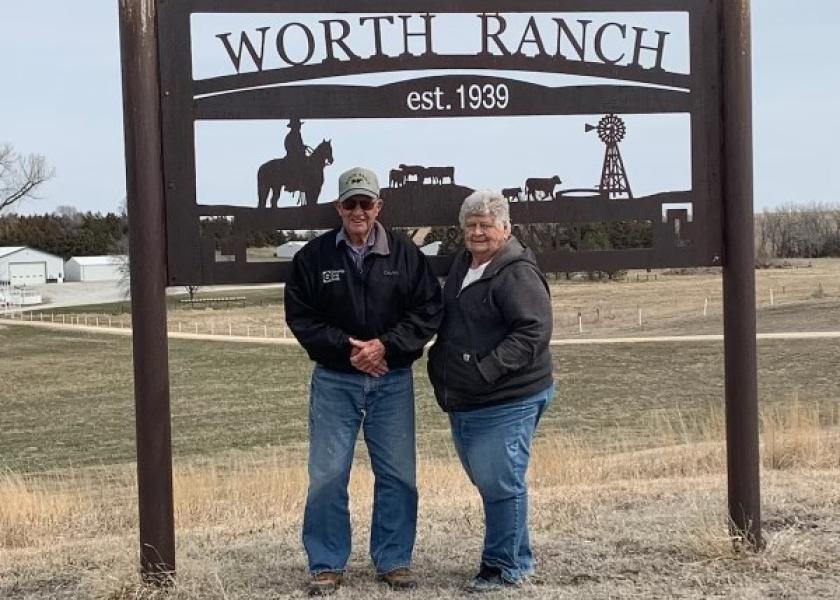
Cork and Janet Worth’s innovative conservation practices was sparked by a recognized need for change with their first land purchase in 1962. Their Worth Ranch and life work is a statement in itself to their efforts but their heart and work goes above and beyond. Mentoring the next generation of ranchers, an awareness of how sound conservation can create abundant, resilient grassland on their own ranches. https://bit.ly/3w6De2D
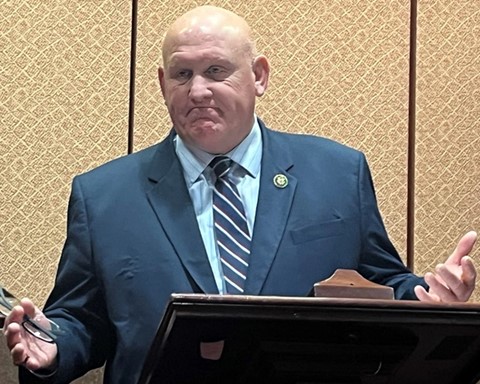
Latest Farm Bill Update: As the USDA and Congressional Budget Office continue to iron out final details of the long-awaited farm bill, House Ag Committee Chair promises legislation before Memorial Day. Thompson optimistic about passing farm bill (farmprogress.com)
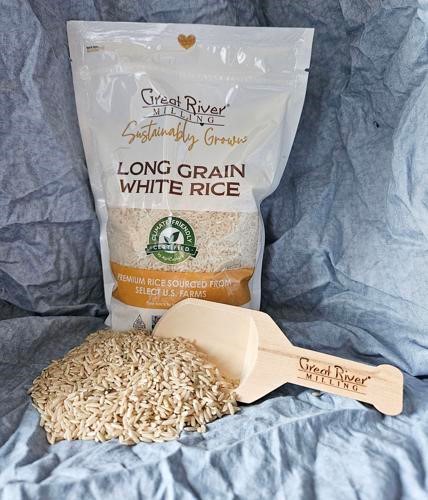
Fountain City, Wisconsin recently celebrated the introduction of Great River Milling rice, the first product to be sold as a “Climate-Smart Commodity”. Invest In America Act of 2021, funded over $3.125 billion to the U.S. Department of Agriculture for projects designed to combat climate change through agricultural practices, such as “Climate-Smart Commodities”. The act’s funds were distributed to all 50 states for 141 projects and this is the first project to reach completion. This project gives small to mid-size farmers and producers the ability to contribute to their communities. It also provides a way for them to stay in business through premiums for qualified production, as well as income from the use of carbon credits. Learn more about this environmental and economic benefit that provides “the opportunity to create an image of American agriculture that is innovative and committed to sustainability.” Climate-Smart launches in Wisconsin (agupdate.com)
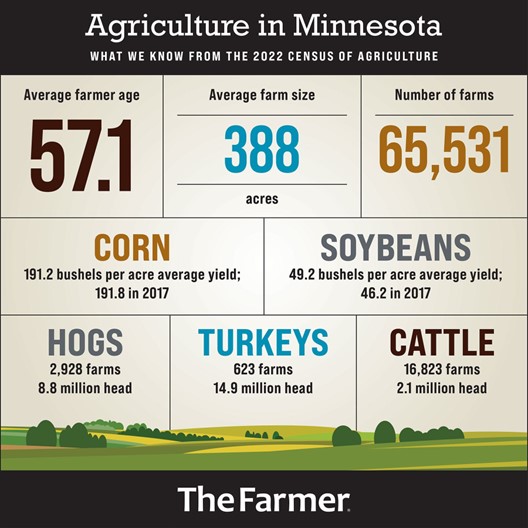
According to the 2022 Ag Census released in February, Minnesota farms of all sizes, including those on the small size are growing. Here is a quick snapshot & look at those results:
Farms with 1 to 9 acres grew from 1,974 five years ago to 2,189 in 2022
Farms with 10 to 49 acres grew from 4,365 to 5,672; 50 to 179 acres grew from 4,741 to 5,305; and the farms with 180 to 499 acres grew from 2,869 in 2017 to 3,149 in 2022
Farms with 500 acres or more grew from 2,183 in 2017 to 2,599 in 2022
The average-sized farm in Minnesota is 388 acres in 2022, up from 371 in 2017
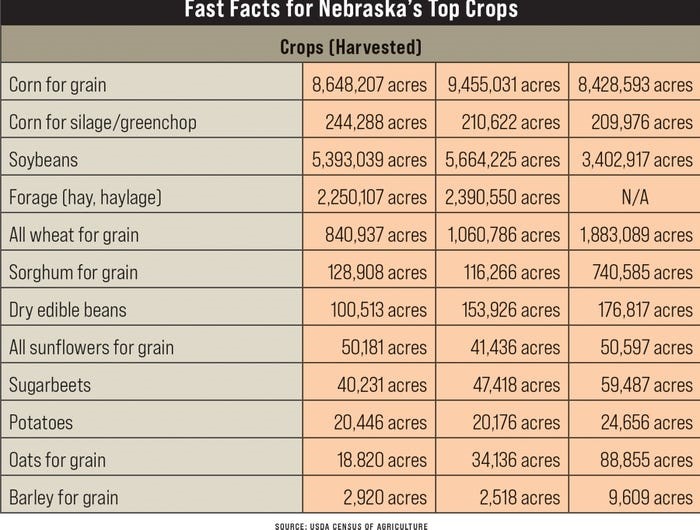
Our reporting state of Nebraska has new numbers recognizing the top ag products coming from the state, thanks to the recent 2022 Census of Agriculture report.
“Cattle and calves remain the top business in Nebraska, representing 41.6% of total ag sales, while corn ranks second in the Cornhusker state, raking in 31.8% of total sales. Soybeans is third at 12.1%. Hogs and pigs take the fourth-place spot with 6.7%, but poultry and eggs have moved into fifth, representing $616 million in sales, up significantly from 2017.”
“With 44 million acres in agricultural production, 48.8% is in permanent pasture and rangeland, compared with 48.2% in farmland. The balance is considered farmsteads, ponds, roads, livestock facilities, homes and woodlands.” Census reveals Nebraska’s top 5 ag products (farmprogress.com)
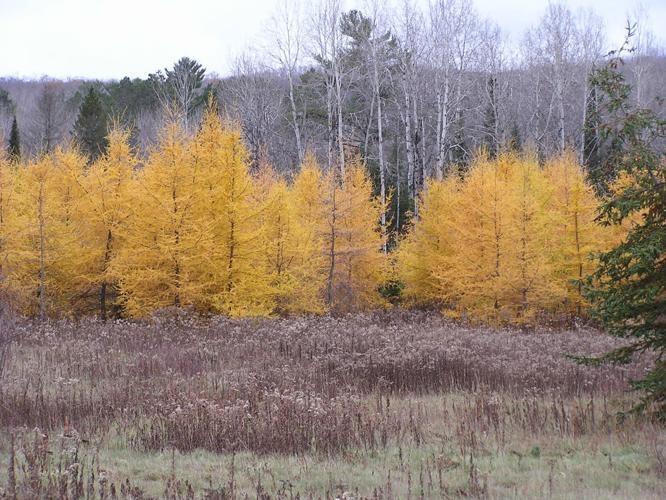
Owners and considered buyers of small tracts of forestland less than 2,500 acres will be receiving needed encouragement and support from the U.S Forest Service, part of the U.S. Department of Agriculture. Incentives to keep forests healthy and productive through reforestation, improved forest management and other sustainable practices will now be afforded to underserved landowners and landowners through the support of enlisted nonprofit organizations and federally funded grants.
“Community Navigators will work to help eligible applicants identify funding opportunities, develop proposal ideas, provide guidance on completing applications, support financial and reporting compliance, and conduct training to help organizations be better positioned to access federal funding in the future.” USDA grows forest support (agupdate.com)
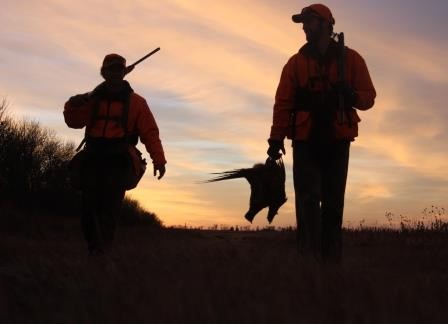
Hunters heading to the 2024 National Pheasant Fest will not only step into the rich fields of prairie awaiting them, those who are farmers and ranchers will gain the opportunity to learn about land conservation and habitat benefits. Although hunting is a big focus of this large, national outdoors and conservation show, Pheasants Forever and Quail Forever will be on hand to share their habitat and conservation programs. Justin Enfield, a farm bill wildlife biologist with Pheasants Forever, is a member of a growing team of biologists that cover conservation efforts in every county of South Dakota. Thanks to their support, farmers and ranchers learn how to build habitat on their marginal land that’s not only good for birds, they’re connected to programs that will pay for their conservation efforts and practices.
Wallaces Farmer, a Farm Progress publication, February 22, 2024
Our respected and valued customer, Doug Hensley, President of Hertz Real Estate Services, starts off a new monthly series on interest rates and their impact on farmland values. Gain valuable insights and understanding on how the undercurrent of interest rates effect our entire economy. Through its illustrated and educating content, readers will also acquire the less evident influence interest rates can have for investors and capital flow in the market. – How interest rates impact farmland values (farmprogress.com) Make sure to follow the series.